Abdullah Script: A Font with a Genuinely Human Touch
Every so often, a typeface comes along that doesn't just sit on the page—it connects with the reader. In a world saturated with clean, geometric, and sometimes sterile design choices, there's a growing hunger for authenticity. We want our brands, our blogs, and our creative projects to feel less like a polished corporate broadcast and more like a personal conversation. This is precisely the space where the Abdullah script font finds its voice. It’s not trying to be another generic handwritten font; it has a distinct personality, rooted in a style that feels both crafted and spontaneous.
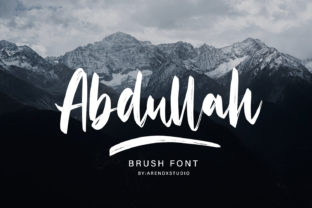
When you first look at Abdullah, you notice the flow. The strokes have a natural, organic rhythm, as if written quickly but with care. It avoids the overly swirly, decorative excess of some script font styles. Instead, it offers a modern, readable elegance. The letterforms have a slight variation in baseline and stroke weight, which is the key to its charm. This isn't a font that was mechanically perfected into submission. It retains the subtle imperfections that signal a human hand at work. This quality makes it an exceptional creative font for projects that need to convey warmth, approachability, and a touch of personality. Whether you're designing a logo for a boutique brand, crafting social media posts for a lifestyle coach, or laying out the cover of a personal journal, Abdullah brings that immediate, relatable vibe.
Where Abdullah Truly Shines: From Branding to Personal Projects
Understanding where a font works best is just as important as liking how it looks. Abdullah’s versatility is one of its strongest features. It’s a display font at heart, meaning it’s designed to grab attention in headlines, logos, and short bursts of text. Think about logo design for a small coffee roastery, a florist, or a handmade jewelry business. Abdullah provides a signature look that is memorable without being illegible. It says, “We care about the details, and we’re here to connect with you personally.”
This makes it a powerful tool for building a brand identity. The font can be used consistently across different touchpoints to create a cohesive feel. Imagine it on a bakery’s chalkboard menu, the header of their website, and the thank-you note printed on their packaging. That consistency builds recognition and trust. Beyond logos, it’s fantastic for packaging design. A script font like Abdullah can add a gourmet, artisanal, or heartfelt quality to product labels, gift tags, and shopping bags. It elevates the perceived value of the product by suggesting a level of care in its presentation.
For editorial design and publishing, Abdullah finds its place on book covers, especially in genres like romance, memoirs, lifestyle, or young adult fiction. It can set a mood instantly. For bloggers and content creators, it’s a secret weapon for creating eye-catching featured images, Pinterest pins, and Instagram quotes. A single line of Abdullah script over a beautiful photo can stop a scrolling thumb and increase engagement. It’s a premium font asset that gives digital content a high-quality, finished look that generic system fonts simply can't match.
The Practical Side: Choosing and Using Abdullah Effectively
Appreciating a font’s aesthetic is one thing; using it effectively in your projects is another. The first consideration is always readability. While Abdullah is crafted for clarity, it is still a script. Its primary strength is in display contexts—titles, headers, pull quotes, and call-to-action buttons. Using it for long paragraphs of body text would be a mistake, as it would tire the reader’s eye. A good rule of thumb is to pair it with a highly legible sans serif font or a classic serif font for your main content. For example, Abdullah as a headline paired with a clean sans-serif like Open Sans or Lato for body text creates a beautiful and functional contrast. This font pairing establishes a clear visual hierarchy, guiding the reader’s eye naturally through your layout.
Before committing to a font for a major project like a full website redesign or a new brand package, test it. Type out the specific words and phrases you’ll be using. Check the letter spacing and how different character combinations look. Does it flow well? Does it maintain its character at the size you intend to use it? Review the font’s included styles. A robust typeface might include multiple weights, stylistic alternates, or ligatures that allow for more customization and prevent your design from looking like a template.
Finally, the practical matter of licensing. If you’re a designer, entrepreneur, or small business owner planning to use Abdullah in a commercial project—a client’s logo, your own product line, or monetized content—you need to ensure you have the proper commercial font license. This isn’t just a legal formality; it’s about respecting the work of the type designer and ensuring you have full rights to use the asset in your professional work. A legitimate license is part of building a professional and ethical brand.
In the end, choosing a typeface is a design decision that carries weight. It influences mood, perception, and engagement. The Abdullah script font offers a compelling option for anyone looking to inject their work with a dose of genuine, human warmth. It’s a modern typography choice that bridges the gap between the personal and the professional, making it a valuable addition to any designer’s or creator’s toolkit.